
Faith and Productivity: Keeping God at the Centre of My Goals
A gentle, grace-filled approach to staying focused on what matters most.
Faith and Productivity Begin With Surrender
Some seasons feel full—full of dreams, deadlines, responsibilities, and things we hope to create.
I enjoy having something meaningful to work toward. Writing, illustrating, and growing The Story House give me opportunities to use my creativity. But even work I love can fill my attention so completely that I forget to pause.
I keep returning to this: I want God at the centre of my plans, my work, and the way I move through an ordinary day. By remembering to to this, it fills my day with both faith and productivity.
For me, faith and productivity belong in the same conversation. My goals deserve thoughtful planning, and they also deserve prayer.
These are six practices that help me bring the two together.
Faith and Productivity Begin With Surrender
Before I make a list or decide what needs to happen next, I try to begin with a simple prayer:
Lord, guide my thoughts. Shape my plans. Help me recognise what You are asking of me today.
That pause gives me room to consider why I am pursuing something. Am I responding to a meaningful responsibility? Following an idea worth exploring? Trying to keep pace with someone else?
Surrender helps me bring those motives honestly before God.
I still make decisions and do the work. I also acknowledge that I cannot control every outcome.
2. I Return to Scripture Before Rushing Ahead
When my thoughts are crowded, Scripture gives me something steady to return to.
Proverbs 16:3 speaks of committing our work to the Lord. The surrounding verses also invite reflection on our plans and motives.
You can read Proverbs 16:1–3 here. Bible Gateway
Another passage I return to is Proverbs 3:5–6, with its invitation to trust God and acknowledge Him in our ways. Bible Gateway
I read these passages as encouragement to seek God’s wisdom, examine my choices, and remain teachable. They bring my attention back to the relationship beneath the planning.
3. I Bring Prayer Into My Planning
Keeping a prayer journal beside my planner helps me make space for more than tasks.
I can write down what concerns me, pray over an upcoming decision, or notice something for which I am grateful.
A planning session might include three questions:
- What genuinely needs my attention?
- What am I carrying that I need to bring before God?
- What can reasonably wait?
There are practical decisions to make, too. I may need to reduce a task, ask for help, or allow more time.
Prayer gives me space to consider those choices with honesty.
4. I Consider Who I Am Becoming
Goals usually tell us what we hope to accomplish.
I also want to consider how I am living while I pursue them.
Am I becoming more patient? Am I keeping my commitments? Am I treating people with care when I feel busy? Does the way I work reflect the values I write about?
These questions help me look beyond a finished project.
I want my work to have purpose, and I want the process to leave room for integrity, kindness, and faithfulness.
5. I Leave Room to Reconsider
Even a carefully planned week can change.
Someone needs us. A task takes longer than expected. An opportunity appears, or we realise we have taken on too much.
I am learning to pause before treating every change as a failure.
Sometimes I need to persevere. Sometimes I need to seek advice, adjust a deadline, or let something go.
Leaving room in my plans helps me consider those possibilities prayerfully. I don’t always know the next step immediately, but I can take time to discern it.
6. I Keep My Routines Gentle and Repeatable
The practices that help me most are often small.
A quiet morning with Scripture. Worship music while I work. A brief prayer between tasks. Gratitude spoken aloud at the end of the day.
These moments help me remember God amid the responsibilities already in front of me.
Some days feel settled. Others remain demanding. A difficult day doesn’t mean I have failed to bring God into it.
I can pause, pray, and begin again.
A Prayerful Pause Before Your Next Goal
Before you return to your planner, consider one thing you are working toward.
What would you like to bring before God about it? What is within your responsibility today? What outcome are you finding difficult to release?
If you would appreciate a starting point, open the prayer widget in the Faith & Reflection Room. Use it as an invitation to bring your own thoughts, hopes, and questions into prayer.
Continuing the Journey With Closer Still
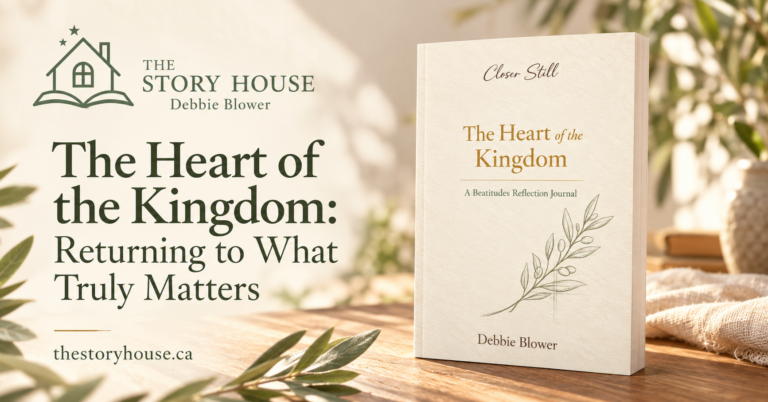
This desire to seek God within everyday life is part of the heart behind Closer Still.
If you would like a companion for reflection and prayer, discover more about Closer Still.
You may also connect with The Holy Ache: When Your Heart Wants More of God.
My hope is to keep learning how to work faithfully, plan thoughtfully, and remain open to God’s direction.
Today, that may begin with one honest prayer and one manageable next step.
Debbie Blower 💛
Author/Illustrator
Founder of The Story House
Stories that inspire. Words that heal.